

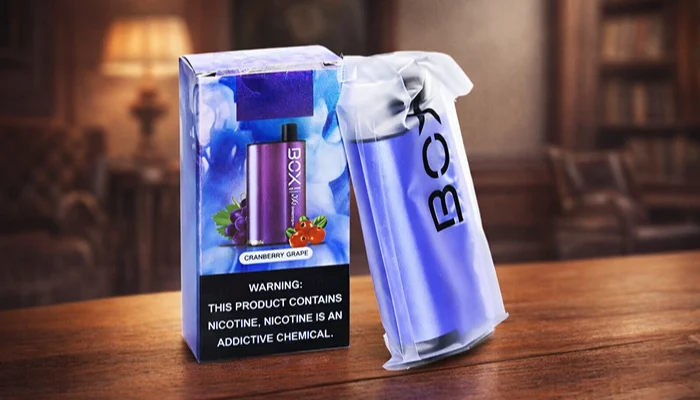
Walk into any vape shop or scroll through an online vape retailer, and the first thing you notice isn’t the product it’s the packaging. Custom vape boxes are the silent salespeople of the vaping industry, doing the heavy lifting of communicating brand identity, building trust, and driving purchase decisions before a customer ever opens the box. Whether you’re launching a new vape brand, refreshing your existing product line, or simply trying to understand why your competitors’ packaging seems to attract more customers, you’ve landed in the right place. This comprehensive guide covers everything you need to know about custom vape boxes from the different packaging types and printing techniques to design best practices, material choices, compliance considerations, and supplier selection strategies. By the end of this guide, you’ll have a crystal-clear roadmap for creating custom vape packaging that protects your product, reflects your brand, complies with regulations, and genuinely connects with your target customers.
What Are Custom Vape Boxes?
Custom vape boxes are purpose-built packaging solutions designed specifically for vaping products. Unlike generic off-the-shelf boxes, custom vape packaging is tailored to match your exact product dimensions, brand identity, regulatory requirements, and target market preferences. At their core, custom vape boxes serve three primary functions. First, they protect the product during shipping, storage, and retail display. Second, they communicate brand values and product information to the consumer. Third, they create a memorable unboxing experience that can drive repeat purchases and word-of-mouth referrals. The vape packaging market has evolved dramatically over the past decade. Early vape products often came in simple blister packs or basic cardboard boxes. Today, you’ll find sophisticated packaging featuring holographic foil stamping, custom die-cut windows, magnetic closures, and child-resistant mechanisms all tailored to specific vape product categories.
Custom Vape Boxes
Types of Vape Products That Need Custom Packaging
The vaping industry encompasses several distinct product categories, each with its own packaging requirements:
- Vape pens and starter kits usually require boxes with internal foam or cardboard inserts to secure multiple components like the battery, tank, coils, and charging cable.
- Vape cartridges small, fragile oil-filled glass cartridges that need snug-fitting custom vape cartridge packaging to prevent breakage and leakage.
- Disposable vapes custom disposable vape boxes are one of the fastest-growing segments, as the disposable vape market has exploded with brands competing fiercely on packaging shelf appeal.
- E-liquid bottles typically require a tall, narrow box with room for regulatory text and child-resistant features.
- Vape pod systems compact devices with rechargeable batteries and replaceable pods, often packaged in premium rigid boxes to justify higher price points.
See our guide: how many cigarettes in a pack: Unpacking the Global Standard and Regulatory Variations
Why Custom Vape Packaging Matters More Than You Think
In a market where product quality is increasingly commoditized and consumers have hundreds of choices, packaging has become a critical competitive differentiator. Research consistently shows that packaging influences purchasing decisions for a significant portion of consumers, and the vaping market is no exception.
Brand Recognition and Market Positioning
Custom vape boxes with your logo and consistent brand colors help build brand recognition over time. When a customer sees your distinctive packaging on a store shelf or in a friend’s hand, that visual association reinforces brand memory. Companies like JUUL, Lost Vape, and Vaporesso have built powerful brand identities partly through consistent, distinctive packaging design. Printed vape boxes with logo placement, brand colors, and cohesive design language signal to consumers where your brand sits in the market. Premium brands use high-gloss lamination, embossing, and foil stamping. Value-focused brands might opt for clean, minimalist designs on matte stock. Budget brands keep it simple with basic printing. Your packaging should match your brand’s positioning in the market if there’s a mismatch between your pricing and your packaging quality, customers will notice.
The Shelf Impact Factor
Retail vape shops often carry dozens of similar products. Your vape pen packaging boxes have roughly three to seven seconds to capture a shopper’s attention. This is what packaging designers call “shelf impact” — the ability of your packaging to stand out at the point of purchase. Factors like bold color choices, unique structural design, clear typography, and strategic use of finishes all contribute to shelf impact. Getting this right can be the difference between a product that moves quickly and one that gathers dust.
Types of Custom Vape Boxes: A Complete Breakdown
Understanding the different types of custom vape packaging helps you choose the right solution for your specific product and brand goals.
Tuck End Boxes
Tuck end boxes are the most common and cost-effective custom vape box style. They feature flaps on both the top and bottom that fold in and lock in place. Straight tuck end (STE) boxes have both flaps tucking in the same direction, while reverse tuck end (RTE) boxes have the top and bottom flaps tucking in opposite directions. For most disposable vapes and vape cartridges, RTE boxes are preferred because they’re easier to open and have a more premium feel. Tuck end boxes are ideal for high-volume orders where cost efficiency is a priority.
Two-Piece Rigid Boxes (Set-Up Boxes)
Two-piece rigid boxes — consisting of a base and lid — are the gold standard for premium vape products. They’re made from thick chipboard and covered with printed paper wrap or specialty material. These boxes don’t fold flat, which increases shipping costs, but they create an exceptionally premium unboxing experience. High-end vape mods, luxury pod systems, and gift sets commonly use this style. If your vape product retails for $50 or more, a rigid box is almost always the right choice.
Magnetic Closure Boxes
Magnetic closure boxes combine the premium look of rigid packaging with a satisfying, easy-open mechanism. Embedded magnets in the front of the box create a clean closure that snaps shut with a tactile click. This style is particularly popular for vape starter kits and high-end vape pen packaging boxes where the unboxing experience is part of the product’s perceived value. The magnetic element also provides an inherent sense of quality that many consumers associate with luxury goods.
See our guide: How many packs of cigarettes are in a carton
Sleeve Boxes (Slide or Drawer Boxes)
Sleeve boxes consist of an inner tray that slides out from an outer sleeve. They offer a distinctive unboxing experience and are excellent for custom disposable vape boxes where differentiation from competitors is important. The outer sleeve provides ample space for branding and product information, while the inner tray keeps the product secure. These are more expensive than standard tuck end boxes but significantly less expensive than rigid boxes, making them a popular mid-range option.
Child-Resistant (CR) Packaging
Child-resistant packaging is a legal requirement in many jurisdictions for vape products, particularly those containing nicotine. CR packaging incorporates mechanisms that are difficult for children under five to open but can be operated by most adults. Common CR mechanisms include push-and-turn caps, squeeze-and-pull designs, and frustration-free locking tabs. When ordering custom vape boxes for regulated markets, always confirm whether CR compliance is required and ensure your packaging supplier can provide certified CR solutions.
Custom Vape Cartridge Packaging
: Special Considerations
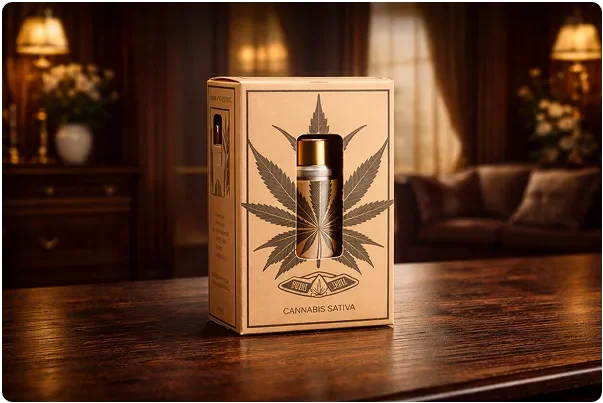
Vape cartridges present unique packaging challenges. These slim, fragile glass or plastic cylinders filled with oil or concentrate need packaging that does several things simultaneously: secures the cartridge snugly to prevent movement and breakage, displays the product attractively (many cartridge boxes feature a die-cut window), includes required compliance text, and communicates the oil’s strain, flavor, or formulation clearly. Custom vape cartridge packaging typically comes in two main formats. The first is a standard tuck end box sized to fit a 0.5ml or 1.0ml cartridge, often with a foam or cardboard insert that holds the cartridge upright. The second is a blister pack mounted on a hanging card a popular retail format that allows the cartridge to be displayed on a pegboard hook while remaining securely encased. For cannabis-derived vape cartridges, packaging must comply with state or regional regulations that typically require child-resistant closures, specific warning text, QR codes linking to testing results, and restrictions on imagery that might appeal to minors. Working with a packaging supplier who has experience in the cannabis and vape sectors is essential to getting compliant cartridge packaging right.
See our guide: Custom Vape Cartridge Packaging: Branding, Protection & Market Success
Window Packaging: Showing Off the Product
Die-cut windows covered with clear PVC or PET film are extremely popular in custom vape cartridge packaging. They allow customers to see the oil’s color and clarity, which is a key quality indicator in the cannabis and CBD vape market. A well-placed window on your cartridge packaging lets your product speak for itself a clean, golden-colored distillate visible through a precisely cut window can be more persuasive than any marketing copy.
Printing Options for Custom Vape Boxes: From Basic to Premium
The printing method you choose significantly impacts both the appearance and cost of your custom vape boxes. Here’s a step-by-step breakdown of your options, from most affordable to most premium.
CMYK Digital Printing
Digital printing uses cyan, magenta, yellow, and black (CMYK) ink to produce full-color designs directly onto the substrate. It’s the most versatile and cost-effective option for short to medium runs (typically 100 to 5,000 units). Digital printing doesn’t require printing plates, which means lower setup costs and the ability to make design changes between print runs without significant additional expense. The quality is excellent for most applications and perfectly suitable for the majority of printed vape boxes with logo designs.
Offset Lithography
Offset printing produces higher quality results than digital printing, particularly for solid color blocks and fine detail work. It requires the creation of printing plates, which adds setup cost, but the per-unit cost decreases significantly at higher volumes (typically 5,000 units and above). For established vape brands ordering large production runs, offset printing is almost always the most cost-effective and highest-quality option. It also supports Pantone spot color matching, which is critical for maintaining consistent brand color accuracy across print runs.
Premium Finishing Options That Elevate Your Packaging
Finishing options are applied after printing to enhance the look, feel, and durability of your custom vape boxes. The most popular finishing options include:
- Gloss UV coating — Creates a high-shine, reflective surface that makes colors pop. Excellent for bold, graphic designs targeting younger adult demographics.
- Matte lamination — Applies a smooth, non-reflective finish that conveys sophistication and premium quality. Very popular for luxury vape brands and products targeting health-conscious consumers.
- Spot UV — Applies a high-gloss coating to specific design elements over a matte background, creating a striking contrast effect that draws the eye to logos, product names, or key design elements.
- Foil stamping — Applies metallic foil in gold, silver, rose gold, holographic, or custom colors to specific design elements. Creates an undeniable premium look and is one of the most effective ways to make printed vape boxes with logo designs stand out.
- Embossing and debossing — Raises (emboss) or recesses (deboss) design elements to create a tactile, three-dimensional effect. Logo embossing on vape pen packaging boxes is a hallmark of high-end brands.
- Soft-touch lamination — Applies an ultra-smooth, velvety surface that feels luxurious in the hand. Often called “velvet” or “peach skin” lamination, this finish is particularly popular in the premium vape market.
See our guide: Printed Vape Boxes With Logo: Branding, Design & Packaging Success
Materials Guide: Choosing the Right Stock for Your Vape Packaging
The material you choose for your custom vape boxes affects everything from structural integrity and print quality to cost and sustainability credentials. Here are the primary options.
Solid Bleached Sulfate (SBS) Paperboard
SBS paperboard is the most popular material for folding carton vape boxes. It features a bright white, clay-coated surface that accepts ink exceptionally well, producing vivid colors and sharp image reproduction. SBS comes in weights ranging from 8pt (thin and lightweight) to 24pt (thick and premium). For most vape cartridge boxes and disposable vape packaging, 14pt to 18pt SBS strikes the right balance between structural integrity, print quality, and cost.
Kraft Paperboard
Kraft paperboard has a natural brown appearance that communicates eco-friendliness and organic authenticity. It’s the go-to choice for brands positioning their vape products as natural, plant-based, or environmentally conscious. Kraft takes ink well, though colors appear slightly muted compared to white SBS stock. It’s available in coated and uncoated versions, with uncoated kraft giving the most authentic, earthy aesthetic.
Greyboard and Chipboard for Rigid Boxes
Rigid vape boxes are constructed from thick greyboard (typically 1mm to 3mm) covered with printed paper or specialty materials like linen, velvet, or leatherette. The greyboard provides the rigid structure while the covering material determines the aesthetic. Because rigid boxes don’t fold flat, they’re more expensive to manufacture and ship, but they create an unmatched premium experience.
Sustainable and Eco-Friendly Packaging Options
Sustainability is increasingly important to consumers across all product categories, including vaping. Eco-friendly custom vape boxes can be made from recycled content paperboard, FSC-certified virgin fiber, or even more innovative materials like bamboo-based boards and seed paper. Water-based inks and soy-based inks are more environmentally friendly alternatives to petroleum-based inks. If your brand is positioning itself as environmentally conscious, incorporating these materials and communicating that choice on your packaging can be a meaningful differentiator.
See our guide: Custom Corrugated Shipping Boxes: The Backbone of Secure and Branded Deliveries
Designing Your Custom Vape Boxes: A Step-by-Step Process
Great packaging design doesn’t happen by accident. It’s the result of a systematic process that balances brand aesthetics, product function, regulatory requirements, and consumer psychology. Here’s how to approach it.
Step 1: Define Your Brand Identity and Target Consumer
Before opening any design software, clearly define who your target consumer is. Are you targeting adult beginners looking for a simple, approachable vaping experience? Experienced enthusiasts who value technical performance? Health-conscious consumers who’ve switched from cigarettes? Each of these audiences responds to very different visual languages, color palettes, and messaging. The most effective custom vape boxes speak directly to a specific consumer’s values, aspirations, and lifestyle.
Step 2: Establish Your Structural and Compliance Requirements
Before designing the visuals, finalize the structural design of your packaging. This means determining the exact dimensions based on your product measurements, choosing the appropriate box style (tuck end, sleeve, rigid, etc.), deciding whether you need child-resistant features, and identifying all regulatory text that must appear on the packaging. Getting the structure right first prevents costly redesigns later and ensures your beautiful design ends up on a box that actually works properly.
Step 3: Create Your Visual Design
With your structural dieline in hand, you can now develop your visual design. Key design principles for effective custom vape box design include:
- Hierarchy — Establish a clear visual hierarchy with your brand name or logo as the primary element, followed by the product name or flavor, then key benefits or differentiators, and finally regulatory text. Every element should know its place.
- Color — Use your brand’s primary colors as the foundation and leverage color psychology — blues and greens convey trust and freshness, black and gold signal luxury, vibrant neons attract younger demographics. Keep your color palette focused to two to four colors for maximum impact.
- Typography — Choose fonts that reflect your brand personality. A premium brand might use elegant serif fonts, while a youth-oriented brand might prefer bold geometric sans-serifs. Ensure all text meets minimum legibility requirements for the small surfaces typical of vape packaging.
- Imagery — Whether you use photography, illustration, or abstract graphics, ensure imagery is high-resolution (minimum 300 DPI for print) and aligns with your brand’s visual identity. Avoid imagery that could be construed as targeting minors.
- Finishes — Plan your premium finishes as part of the design process, not as an afterthought. Spot UV and foil stamping should be designed intentionally to enhance specific elements, not applied randomly.
Step 4: Prototyping and Sampling
Never approve a production run without first receiving physical samples. A digital design can look perfect on screen but reveal unexpected issues when printed and assembled — colors that looked one way on your monitor appear different in print, text that seemed large enough is actually too small to read, or the structural design doesn’t close as smoothly as expected. Request a printed prototype or production sample and assess it under multiple lighting conditions before signing off on production.
Custom Disposable Vape Boxes: Capitalizing on the Fastest-Growing Segment
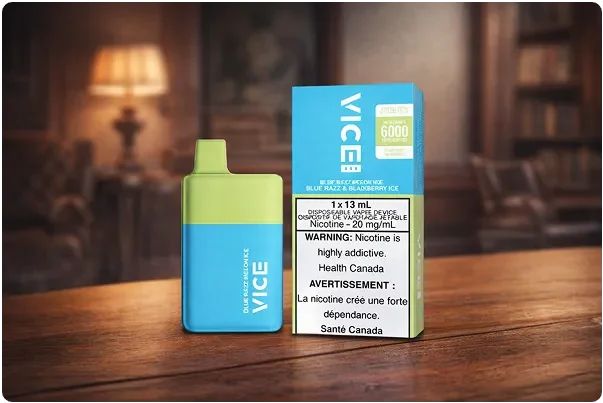
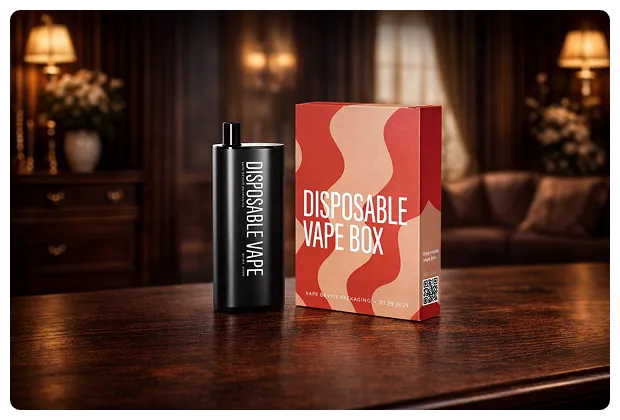
The disposable vape market has been one of the fastest-growing segments in the entire vaping industry, with devices like Elf Bar, Lost Mary, and Geek Bar achieving remarkable market penetration largely on the strength of their branding and packaging. Custom disposable vape boxes for these compact, single-use devices face a unique set of challenges and opportunities. Because the disposable device itself is relatively small, the packaging needs to work harder to communicate flavor profiles, nicotine strength, device specifications (puff count, battery capacity), and brand identity — all on a compact surface. Leading brands have tackled this challenge with creative approaches: bold, flavor-inspired color-coding systems that allow consumers to quickly identify their preferred flavor at a glance, distinctive structural designs that stand out in crowded retail displays, and QR codes that link to product information and brand content.
Custom Disposable Vape Boxes
Managing Packaging for Multi-SKU Disposable Lines
If you’re launching a disposable vape line with multiple flavors, you’re essentially managing a family of custom disposable vape boxes that need to be simultaneously consistent and distinct. A common and effective approach is the “hero and variants” system: establish a consistent structural design and base template, then differentiate each SKU through a color-coded system where each flavor has its own signature color palette. This creates brand recognition across the entire line while making it easy for consumers to find their favorite flavor.
See our guide: Vape Pen Packaging Boxes: Safe & Premium Vape Packaging
Vape Pen Packaging Boxes: Balancing Function and Aesthetics
Vape pen packaging boxes need to accommodate the device itself plus, in many cases, ancillary items like coils, charging cables, and documentation. Getting the structural design right is particularly important here, as poorly designed inserts can make a premium vaping device feel like a cheap product when the customer opens the box. The most effective vape pen packaging typically uses a precisely engineered insert either thermoformed plastic, vacuum-formed EVA foam, or cut-and-scored cardboard that holds each component securely in its designated position. When the consumer opens the box, every element is presented intentionally, like a curated display rather than a jumbled collection of parts. For brands selling vape pens in multiple color variants, consider packaging designed to showcase the device’s color either through a transparent window or by matching the packaging color to the device color. This kind of thoughtful coordination signals attention to detail that consumers notice and remember.
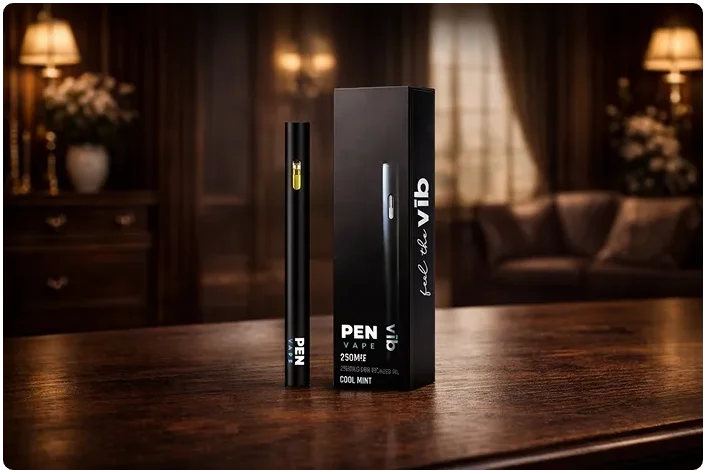
Custom Disposable Vape Boxes
Regulatory Compliance: What Your Custom Vape Boxes Must Include
Regulatory requirements for vape packaging vary significantly by jurisdiction and are subject to change. What’s required in the United States may be entirely different from what’s required in the European Union, the United Kingdom, or Australia. Here’s a general overview of common requirements, though you must verify the specific requirements for your target market with a qualified compliance professional.
See our guide: Vape Packaging Design Trends: Modern Vape Brands
Common Regulatory Requirements for Vape Packaging
- Health warnings — Most jurisdictions require nicotine addiction warnings and other health notices on vape packaging. The EU’s Tobacco Products Directive (TPD) requires health warnings covering 30% of the package surface.
- Nicotine content declaration — The nicotine strength and content must be clearly stated.
- Child-resistant packaging — Required for nicotine-containing products in many jurisdictions, and for cannabis products in all regulated cannabis markets.
- Tamper-evident features — Seals or features that make it visually apparent if a package has been opened before retail.
- Ingredient disclosure — Depending on jurisdiction, a list of ingredients or a reference to where ingredient information can be found.
- Restrictions on appealing to minors — Prohibitions on cartoons, bright colors typically associated with candy, or other imagery deemed to appeal to underage consumers.
- Manufacturer and importer information — Company name, address, and often a batch code for traceability.
Finding the Right Custom Vape Box Supplier: What to Look For
Choosing the right packaging supplier is one of the most important decisions you’ll make for your vape brand. The wrong supplier can result in poor quality, missed deadlines, compliance issues, and significant financial loss. Here’s a systematic approach to evaluating and selecting a custom vape packaging supplier.
Key Criteria for Supplier Evaluation
- Industry experience — Look for suppliers with demonstrable experience in vape and tobacco packaging. They’ll be familiar with regulatory requirements, common structural challenges, and the print specifications needed for excellent results.
- Quality certifications — ISO 9001 certification indicates a supplier has systems in place for consistent quality management. For cannabis vape packaging, look for suppliers familiar with state-specific regulations.
- Minimum order quantities (MOQs) — These vary widely. Some suppliers specialize in short runs of 100 to 500 units for emerging brands, while others require minimums of 5,000 to 10,000 units and offer lower per-unit pricing in return.
- Sampling process — A reputable supplier should be able to provide physical samples before committing to a full production run. Be cautious of suppliers who are unwilling or unable to provide samples.
- Communication and turnaround — Clear communication and reliable lead times are essential. Ask about their typical turnaround from artwork approval to shipment and get a commitment in writing.
- References and portfolio — Ask for examples of vape packaging they’ve produced for other clients. Look for design complexity similar to your project to gauge their capability.
Understanding Custom Vape Box Pricing: What Drives Cost
Custom vape packaging costs can range from as little as $0.15 per unit for simple tuck end boxes in high volumes to $10 or more per unit for premium rigid boxes with multiple finishes. Understanding what drives cost helps you make smart investment decisions.
Primary Cost Drivers in Custom Vape Packaging
- Quantity — This is the single biggest cost driver. Unit costs drop dramatically at higher volumes. The price per unit at 500 units might be five to ten times higher than at 10,000 units.
- Box style — Rigid boxes cost significantly more than folding cartons. Two-piece rigid boxes can cost three to eight times more per unit than equivalent tuck end boxes.
- Print complexity — More colors and more complex artwork increases printing costs, particularly in offset printing where each color requires its own plate.
- Finishes — Each premium finish (foil stamping, embossing, spot UV, soft-touch lamination) adds to the cost. Combining multiple finishes quickly adds up.
- Special features — Die-cut windows, child-resistant mechanisms, magnetic closures, and custom inserts all add to the base cost.
- Shipping — For brands sourcing from overseas manufacturers, shipping costs can be significant, particularly for rigid boxes that don’t ship flat.
10 Actionable Tips for Getting the Most Out of Your Custom Vape Boxes
- Start with your dieline, not your design. Get accurate product measurements and establish your box structure before beginning visual design work. Designing on a flat template without a proper dieline leads to costly corrections.
- Request color proofs, not just digital proofs. On-screen color representation can differ significantly from printed output. Always request a physical color proof before approving large production runs.
- Plan for your entire SKU range at once. If you’re launching multiple flavors or variants, standardizing on a single box size and structure allows you to share tooling costs and qualify for better volume pricing.
- Invest in photography of your packaged product. Great packaging photography is one of the highest-ROI investments you can make. High-quality product images for your website and social media will drive more sales than almost any other marketing spend.
- Use soft-touch lamination strategically. If budget constraints mean you can only choose one premium finish, soft-touch lamination often delivers the highest perceived value increase relative to cost.
- Include interior print even for folding cartons. Printing on the interior of a tuck end box costs very little at scale, but creates a premium unboxing moment that delights customers and reinforces brand quality.
- Design for retail display, not just individual sale. If your product will be displayed in retail environments, ensure your packaging looks great in both individual and multi-unit display configurations.
- Keep compliance text updated. Vape regulations change frequently. When reordering packaging, confirm that all required warnings, nicotine statements, and other compliance text are current.
- Consider QR codes as a bridge to digital. A QR code on your packaging can drive consumers to your website, provide product information, support authentication, or link to lab test results — all while keeping your print design clean.
- Build a relationship with your packaging supplier. Packaging suppliers who know your brand, your quality standards, and your business priorities will serve you better than treating packaging as a purely transactional purchase.
FAQs
Q1: What is the minimum order quantity for custom vape boxes?
Most manufacturers start at 100–500 units.Q2: Can I order printed vape boxes with logo in small batches?
Yes, digital printing allows low MOQs.Q3: Are custom vape cartridge packaging boxes eco-friendly?
Yes, kraft and recyclable cardboard options are widely available.Q4: How long does production take?
Usually 7–15 business days depending on complexity.Q5: Can I customize inserts for vape cartridges?
Yes, foam and cardboard inserts are available for protection.Conclusion
Custom vape boxes aren’t just packaging they’re a branding tool, a compliance requirement, and a sales asset. When designed strategically, custom vape boxes, vape pen packaging boxes, and custom disposable vape boxes can elevate your brand, protect your products, and boost conversions. If you want to dominate your niche, invest in packaging that reflects quality, compliance, and customer experience.