

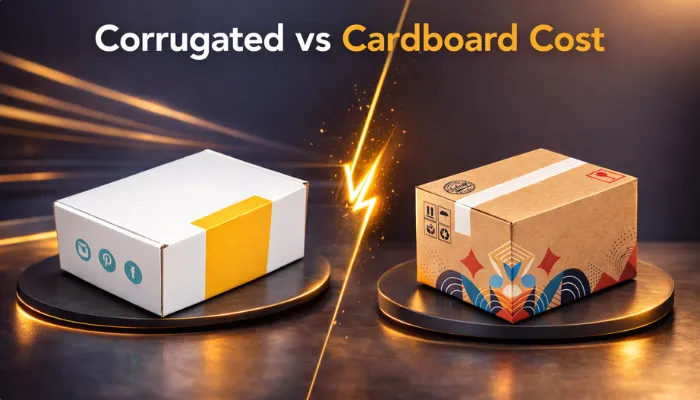
When it comes to choosing packaging, one of the most common questions businesses ask is: what is the real difference in corrugated vs cardboard cost? The answer depends on your product type, shipping needs, and budget. Both materials have their place in the packaging world but they are not the same thing. Understanding their differences in structure, durability, and price can save your business thousands of dollars annually.
What Is Corrugated Packaging?
Corrugated packaging is made of three layers: an inner fluted (wavy) layer sandwiched between two flat liner sheets. This structure gives it exceptional strength and shock absorption. You will find corrugated boxes used heavily in e-commerce shipping, appliance packaging, and industrial supply chains. The fluting acts as a cushion, protecting goods during transit. There are multiple types of corrugated board single-wall, double-wall, and triple-wall each offering increasing levels of protection and a corresponding increase in cost.
What Is Cardboard Packaging?
Cardboard is a broad term that refers to thick, stiff paper-based material. It includes paperboard, chipboard, folding carton, and greyboard none of which have the fluted inner layer that corrugated has. Cardboard is commonly used for cereal boxes, retail shelf packaging, shoe boxes, and gift boxes. It is thinner, lighter, and generally less expensive per unit than corrugated. Despite being less durable under pressure, cardboard excels at printability and visual presentation, making it a popular choice for consumer-facing packaging.
See our guide: where to buy cardboard boxes for shipping
Custom Cardboard Boxes
Corrugated vs Cardboard Cost: Side-by-Side Price Comparison
The table below breaks down the typical cost per unit across common packaging types:
| Material Type | Avg Cost per Unit | Best For | Durability | Recyclable |
| Single-Wall Corrugated | $0.30 – $0.80 | E-commerce, shipping | High | Yes |
| Double-Wall Corrugated | $0.70 – $1.50 | Heavy goods, industrial | Very High | Yes |
| Triple-Wall Corrugated | $1.50 – $3.50 | Machinery, pallets | Extremely High | Yes |
| Standard Cardboard (SBS) | $0.05 – $0.25 | Retail packaging, food | Low-Medium | Yes |
| Chipboard/Greyboard | $0.04 – $0.20 | Book covers, backing | Low | Partially |
| Folding Carton Board | $0.08 – $0.30 | Cosmetics, pharma | Medium | Yes |
Prices vary based on order volume, custom printing, and supplier. Bulk orders typically reduce unit cost by 20–40%.
Key Factors That Affect the Cost of Corrugated Packaging
1. Flute Type and Wall Thickness
Single-wall corrugated is the most affordable and works for lightweight products. Double-wall and triple-wall boards cost more but are essential for heavy or fragile items. Choosing a heavier flute than necessary adds avoidable cost. Always match the flute type to your product’s actual weight and fragility.
2. Board Grade and Material Quality
Higher-grade boards use virgin kraft fibers and cost more than recycled-content boards. For most standard shipping needs, recycled-content corrugated performs well and keeps costs lower.
3. Custom Printing and Coating
Plain corrugated boxes are the cheapest option. Adding one-color flexographic printing increases cost slightly, while full-color lithographic printing can double or triple the base price. Specialty coatings like moisture barriers or UV finishes also add to cost but may be necessary for food or electronics packaging.
See our guide: Discover the Cheapest Way to Ship a Box in 2026
4. Box Style and Die-Cutting
Standard RSC (Regular Slotted Container) boxes are the most cost-effective corrugated style. Custom die-cut shapes, auto-lock bottoms, or display-ready designs require additional tooling fees.
5. Order Volume
Corrugated box pricing drops significantly at higher volumes. A business ordering 500 boxes may pay $1.20 per unit, while ordering 5,000 boxes could bring that down to $0.45 per unit.
Key Factors That Affect the Cost of Cardboard Packaging
1. Board Type and Thickness
Folding carton board (SBS) and coated white board are more expensive than chipboard or greyboard. Thicker boards offer better rigidity but increase material cost.
2. Print Quality and Finish
Cardboard boxes are highly print-friendly. Digital short runs work well for small quantities, but offset printing offers the best cost-per-unit at scale. Foil stamping, embossing, or soft-touch lamination can add $0.10–$0.50 per unit depending on design complexity.
See our guide: How Much Would It Cost to Ship a Package?
3. Structural Design
Simple tuck-end boxes are the cheapest to produce. Magnetic closure boxes, drawer-style boxes, or two-piece rigid boxes can cost $1–$5+ per unit.
4. Minimum Order Quantity
Cardboard packaging often has lower MOQs than corrugated, making it more accessible for small businesses and startups with digital printing and no setup fees.
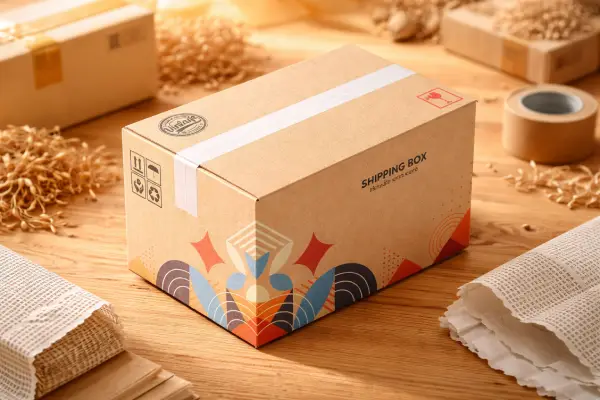
Custom Shipping Boxes
Corrugated vs Cardboard Full Feature Comparison
| Feature | Corrugated Box | Cardboard Box |
| Structure | Fluted inner layer + liners | Solid flat sheets |
| Weight Capacity | Up to 100+ lbs | Up to 20 lbs |
| Moisture Resistance | Moderate (coated options available) | Low |
| Cost Range | $0.30 – $3.50+ | $0.04 – $0.30 |
| Customization | High — print, coatings | Moderate — print-friendly |
| Environmental Impact | 80%+ recycled content | Fully recyclable |
| Transit Suitability | Excellent | Limited |
| Shelf Display | Moderate | Excellent |
| Lead Time | 2–5 business days | 1–3 business days |
| Minimum Order Qty | 250–500 units | 100–250 units |
When Should You Choose Corrugated Over Cardboard?
Choose corrugated packaging when your product needs to survive shipping and handling. It offers far superior protection against stacking pressure, drops, and moisture during transit. Corrugated is the right choice for heavier items, fragile goods, bulk shipments, or anything traveling through multiple handling points like warehouses and delivery trucks.
- E-commerce orders that ship directly to customers
- Electronics, appliances, and fragile items
- Industrial goods, tools, or machinery parts
- Products requiring stacking strength on pallets
- Cold-chain or perishable goods with moisture protection needs
When Should You Choose Cardboard Over Corrugated?
Cardboard is ideal when your packaging is primarily for retail shelf display, branding, or light-duty containment. It is thinner, lighter, and easier to print on with vibrant colors. For in-store retail products already protected in individual packaging, corrugated strength is unnecessary and would only add cost and weight.
- Cosmetics, skincare, and beauty products
- Food packaging cereal, snack bars, dry goods
- Pharmaceuticals and health supplements
- Gift boxes and seasonal packaging
- Shoe boxes, clothing inserts, and apparel tags
See our guide: Custom Cardboard Packaging Solutions for Unforgettable Brand Impressions
How to Reduce Your Packaging Costs: Expert Tips
Right-Size Your Packaging
Oversized boxes waste material and increase dimensional weight shipping charges. Using the correct box size reduces both material cost and freight fees at the same time.
Consolidate Orders
Ordering all your packaging at once or in larger batches is one of the simplest ways to lower your unit cost. Work with suppliers on blanket purchase orders to lock in volume pricing.
Consider Secondary Packaging Needs
If your product uses cardboard retail packaging inside a corrugated shipping box, evaluate whether both are truly necessary. Some designs can combine retail appeal with shipping durability in one solution.
Request Multiple Quotes
Packaging prices vary significantly between suppliers. Always get at least three quotes and compare total landed cost including setup fees, shipping, and lead times.
Explore Recycled-Content Options
High-recycled-content boards have improved dramatically in quality. They cost less and often qualify for sustainability certifications that can benefit your brand image.
(FAQs)
Q1: Is corrugated always more expensive than cardboard?
Not always. While corrugated generally costs more per unit due to its layered structure, high-quality rigid cardboard boxes like magnetic closure gift boxes can be far more expensive than standard corrugated shipping boxes.
Q2: Can cardboard boxes be used for shipping?
Standard cardboard (paperboard) is generally not suitable for shipping. It lacks the structural strength to protect products during transit. Corrugated boxes are the industry standard for all shipping needs.
Q3: What is the minimum order for corrugated vs cardboard packaging?
Corrugated boxes typically have MOQs of 250–500 units. Cardboard packaging can often be ordered in smaller quantities sometimes as few as 50–100 units with digital printing options.
Q4: Does custom printing significantly increase packaging cost?
Yes. Custom printing can add 20–100% to the base packaging cost depending on the number of colors, print method, and volume. Digital printing is more cost-effective for small runs, while flexographic printing is better at large volumes.
Q5: Which packaging type is more eco-friendly?
Both are recyclable. Corrugated often has a higher percentage of recycled content (80%+) and is widely accepted in curbside recycling. Cardboard is also recyclable, though coated or laminated boards may not be accepted by all recyclers.
Q6: How does order volume affect corrugated vs cardboard cost?
Both materials offer significant per-unit price reductions at higher volumes. Corrugated typically sees steeper discounts at scale, while cardboard offers better value and lower minimums for smaller orders.
Q7: Are there cost-effective alternatives to both?
Yes. Poly mailers, padded envelopes, and paper mailers can be cheaper for lightweight, non-fragile items. Molded pulp and foam inserts are alternatives for specialty protection needs.