
As online shopping grows, so does packaging waste and businesses are under more pressure than ever to go green. Eco-friendly packaging materials offer a smarter, cleaner way to ship products without harming the planet.
Why Eco-Friendly Packaging Materials Matter in 2025
The global packaging industry produces over 141 million tonnes of plastic waste every year. Most of it ends up in landfills or oceans, causing long-term environmental damage. Switching to eco-friendly packaging materials is no longer just a trend, it’s a business necessity. Consumers actively prefer brands that prioritize sustainability, and many are willing to pay more for it. From recycled cardboard to mushroom-based packaging, the options today are diverse, effective, and increasingly affordable for businesses of all sizes.
Top Eco-Friendly Packaging Materials You Should Know About
Kraft Paper
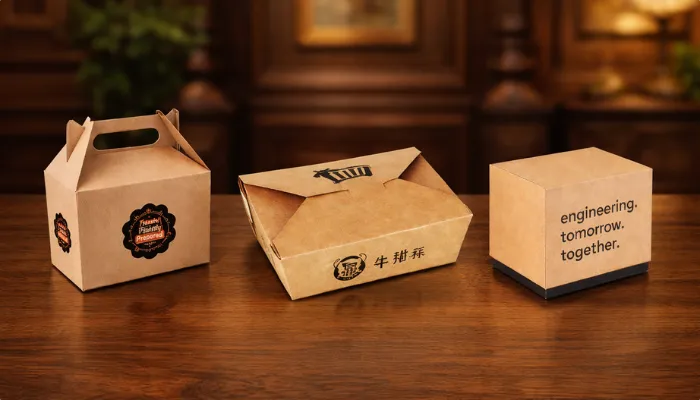
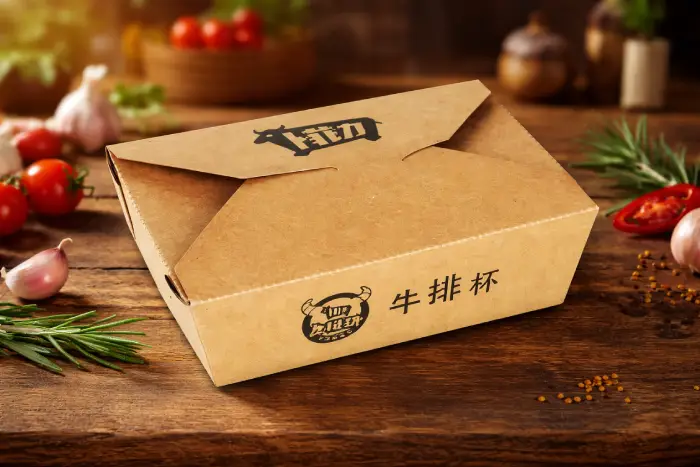
Kraft paper is one of the most widely used eco-friendly packaging materials on the market. It is made from wood pulp and is both biodegradable and recyclable. It’s ideal for wrapping products, making paper bags, and creating padded mailers. Kraft paper is strong, lightweight, and breaks down naturally within weeks. Cost per unit typically ranges from $0.05 to $0.20, making it one of the most budget-friendly sustainable options available.
See our guide: where to buy cardboard boxes for shipping
Corrugated Cardboard
Corrugated cardboard is a staple in eco-friendly shipping. Made from recycled fiber, it provides excellent cushioning and protection for products during transit. It is fully recyclable and biodegrades within two months. It’s suitable for shipping boxes of all sizes, from small parcels to large freight shipments. This material strikes the best balance between cost, protection, and sustainability for e-commerce businesses.
Kraft Boxes With Lids
Mushroom Packaging (Mycelium)
Mushroom packaging is made from agricultural waste and mycelium the root structure of fungi. It is molded into custom shapes and fully compostable within 30 to 90 days. This is an excellent alternative to Styrofoam for protecting fragile and high-value items like electronics and glassware. While the upfront cost is slightly higher ($0.50 to $2.00 per unit), it eliminates plastic waste entirely and enhances brand perception.
Seaweed-Based Packaging Film
Seaweed packaging is an emerging innovation that dissolves in water and biodegrades within weeks. It’s commonly used in food, cosmetics, and beauty product packaging. This material is made from sustainably harvested seaweed and requires no additional land, freshwater, or fertilizer to grow. It’s edible, non-toxic, and breaks down harmlessly in soil or water making it one of the most exciting eco-friendly packaging materials of the decade.
See our guide: Discover the Cheapest Way to Ship a Box in 2026
Recycled Plastic (PCR Plastic)
Post-consumer recycled (PCR) plastic is made from previously used plastic materials. While not perfect, it significantly reduces the need for virgin plastic production. It’s durable and suitable for heavier products that require moisture-resistant packaging. Many brands use PCR plastic alongside other green materials for a hybrid approach. Prices range from $0.20 to $0.80 per unit depending on thickness and volume ordered.
Cornstarch Packing Peanuts
Cornstarch packing peanuts look like traditional Styrofoam peanuts but dissolve in water and are fully compostable. They’re used as void fill inside shipping boxes. Unlike foam peanuts, these don’t contribute to microplastic pollution and can be safely composted at home within a few weeks. They cost between $0.10 and $0.40 per unit and are an easy, low-effort switch for any business currently using foam fill.
Bamboo Packaging
Bamboo is one of the fastest-growing plants on earth, making it a highly renewable source for packaging. It’s used for boxes, trays, and wrapping for luxury and premium goods. Bamboo packaging is sturdy, biodegradable, and gives products an upscale, natural appearance that resonates with eco-conscious consumers. It’s slightly more expensive at $0.40 to $1.80 per unit, but the premium look and sustainability credentials often justify the investment.

Kraft Boxes With Lids
Eco-Friendly Packaging Materials
| Material | Biodegradable? | Avg. Cost/Unit | Best For | Recyclable? |
| Kraft Paper | Yes (2–6 weeks) | $0.05 – $0.20 | Wrapping, bags | Yes |
| Corrugated Cardboard | Yes (2 months) | $0.30 – $1.50 | Shipping boxes | Yes |
| Mushroom Packaging | Yes (30–90 days) | $0.50 – $2.00 | Fragile items | Compostable |
| Seaweed Film | Yes (4–6 weeks) | $0.10 – $0.50 | Food, cosmetics | Yes |
| Recycled Plastic | Partial | $0.20 – $0.80 | Heavy products | Yes |
| Cornstarch Peanuts | Yes (weeks) | $0.10 – $0.40 | Void fill | Compostable |
| Bamboo Packaging | Yes (months) | $0.40 – $1.80 | Luxury goods | Yes |
See our guide: How Much Would It Cost to Ship a Package?
How Much Would It Cost to Ship a Package? A Full Breakdown
One of the most common questions businesses ask when switching to sustainable shipping is: how much would it cost to ship a package using eco-friendly materials? The good news is that most eco-friendly packaging materials are lightweight, which directly reduces your shipping costs. Lighter packages mean lower rates across all major carriers. Here’s a general breakdown of how much does it cost to send a package based on weight and carrier:
| Package Weight | USPS (Ground) | UPS (Ground) | FedEx | DHL |
| Under 1 lb | $4.50 – $7.00 | $8.00 – $12.00 | $9.00+ | $10.00+ |
| 1 – 5 lbs | $7.50 – $15.00 | $12.00 – $20.00 | $13.00+ | $15.00+ |
| 5 – 20 lbs | $15.00 – $30.00 | $20.00 – $45.00 | $22.00+ | $25.00+ |
| 20 – 50 lbs | $30.00 – $65.00 | $45.00 – $90.00 | $50.00+ | $60.00+ |
| 50+ lbs | $65.00+ | $90.00+ | $100.00+ | $110.00+ |
Factors That Affect How Much It Costs to Ship a Package
Several key factors determine your shipping cost beyond just weight. Understanding these can help you optimize both your packaging and logistics strategy.
- Package Dimensions: Carriers use dimensional (DIM) weight pricing. A large but light box may cost more than its actual weight suggests.
- Shipping Zone: The farther the destination, the higher the cost. Domestic zones range from 1 (closest) to 8 (farthest).
- Carrier Chosen: USPS tends to be cheapest for small packages, while UPS and FedEx offer better rates for heavier shipments.
- Delivery Speed: Standard ground shipping is always cheaper than 2-day or overnight express options.
- Eco-Friendly Packaging Weight: Lighter sustainable materials like kraft paper and cornstarch peanuts can reduce dimensional weight and lower your shipping fees.
How Eco-Friendly Packaging Can Actually Reduce Shipping Costs
Many business owners assume that sustainable packaging costs more. In reality, switching to eco-friendly packaging materials can reduce both your environmental footprint and your shipping bills. Lightweight materials like kraft paper and seaweed film weigh significantly less than plastic alternatives. This lower weight directly reduces how much it costs to send a package on a per-shipment basis. When ordered in bulk, sustainable packaging materials often match or undercut conventional packaging costs while delivering massive brand and marketing benefits that attract eco-conscious customers.
See our guide: Custom Cardboard Packaging Solutions for Unforgettable Brand Impressions
Tips for Choosing the Right Eco-Friendly Packaging for Your Business
Not every sustainable material works for every product. Here are practical tips to help you choose the best eco-friendly packaging materials for your specific needs:
- Match material to product weight: Use corrugated cardboard for heavy items and kraft paper or seaweed film for lighter products.
- Consider moisture exposure: If your products may get wet in transit, opt for recycled plastic or coated kraft paper.
- Think about branding: Bamboo and kraft paper are easy to customize with logos, giving your packaging a premium feel.
- Order in bulk: Most eco-friendly packaging suppliers offer significant discounts for bulk orders.
- Certify your packaging: Look for FSC, ASTM D6400, or BPI-certified materials to back up your sustainability claims.
Eco-Friendly Packaging for E-Commerce: What Works Best?
E-commerce businesses face unique packaging challenges products must survive long transit journeys while remaining presentable on arrival. Eco-friendly packaging materials have evolved to meet these demands. For small, lightweight products, padded kraft mailers are an excellent choice. They offer protection, brand customization, and are fully recyclable by the end customer. For fragile or irregular items, mushroom packaging or corrugated inserts provide the cushioning needed without relying on plastic foam. The unboxing experience is also enhanced, which improves customer satisfaction and encourages repeat purchases.
(FAQs)
Q1: What are the most affordable eco-friendly packaging materials?
Kraft paper and corrugated cardboard are the most cost-effective eco-friendly packaging materials. Both are widely available, highly recyclable, and cost as little as $0.05 per unit in bulk.
Q2: How much would it cost to ship a package using green packaging?
Shipping costs depend on weight, dimensions, carrier, and destination. Using lightweight eco-friendly materials can keep your package weight low. Typical domestic costs range from $4.50 to $90+ depending on weight and carrier.
Q3: Is mushroom packaging really better than Styrofoam?
Yes. Mushroom packaging is fully compostable, produces no toxic byproducts, and protects fragile items just as effectively as Styrofoam. It breaks down within 30 to 90 days in home compost.
Q4: How does packaging affect how much it costs to send a package?
Packaging directly affects both the weight and dimensional weight of your shipment. Heavy or oversized packaging increases DIM weight charges. Switching to lightweight eco-friendly materials reduces these costs significantly.
Q5: Can small businesses afford eco-friendly packaging?
Absolutely. Many sustainable packaging options are priced competitively with conventional materials, especially when ordered in bulk. Starting with kraft paper or recycled cardboard is an easy, low-cost entry point.
Q6: What certifications should I look for in eco-friendly packaging?
Look for FSC certification for paper products, ASTM D6400 for compostable plastics, and BPI certification. These ensure the materials meet verified sustainability standards.
Q7: Does eco-friendly packaging affect delivery times?
No. The type of packaging material has no impact on delivery speed. Shipping times depend entirely on the carrier, service level, and destination not the packaging material itself.