

Introduction
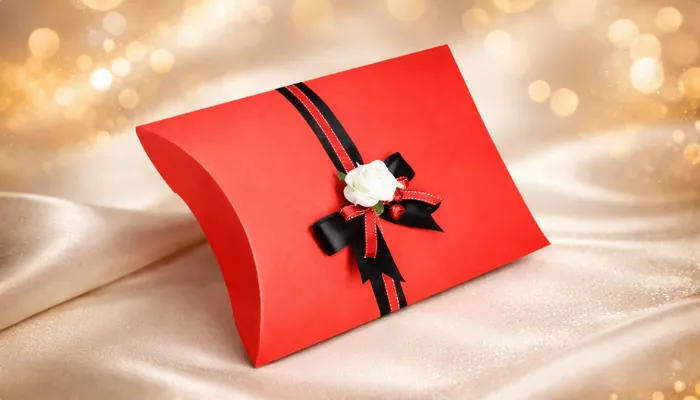
If you have ever received a beautifully wrapped gift in a curved, pillow-shaped box, you already know the charm of pillow box packaging. These elegant, easy-to-assemble boxes are one of the most popular packaging solutions in retail, gifting, and branding today. In this complete guide, we cover everything you need to know about pillow box packaging from what it is and how it works, to the different types, materials, printing options, and industries that use it most. Whether you are a business owner, a designer, or simply curious, this guide has you covered.
What Is Pillow Box Packaging?
Pillow box packaging refers to a distinctive style of box that has curved, rounded sides resembling the shape of a pillow when assembled. It is made from a single die-cut sheet of material that folds into shape without the need for glue or tape in most cases. The design is sleek, compact, and visually appealing, which makes it a favorite choice for product packaging across a wide range of industries. It is especially popular for gifts, jewelry, candles, and small retail items. The curved ends tuck together easily, creating a secure closure that is both functional and attractive. Businesses love pillow boxes because they are cost-effective, lightweight, and highly customizable.
Why Is Pillow Box Packaging So Popular?
The popularity of pillow box packaging comes down to a few key factors that make it stand out from traditional rectangular boxes. First, the unique shape instantly catches the eye. On a retail shelf or as a gift presentation, a pillow box creates a premium feel that standard boxes simply cannot match. Customers are naturally drawn to packaging that looks special. Second, pillow boxes are incredibly easy to use. Most designs require no tools, glue, or complicated folding. They assemble in seconds, which is a big advantage for businesses that pack products at high volume.
See our guide: Discover the Cheapest Way to Ship a Box in 2026
Pillow Box Finishes
Key Benefits of Pillow Box Packaging
- Distinctive curved shape creates an immediate visual impact
- Easy and fast to assemble — no glue required in most cases
- Lightweight and compact, reducing shipping costs
- Highly customizable with printing, foiling, and finishing options
- Available in a wide range of sizes to suit any product
- Eco-friendly options available using recycled or kraft materials
- Ideal for gifting, retail display, and subscription boxes
Pillow Box Packaging Types & Specifications
The table below gives you a quick overview of the most common types of pillow box packaging, their sizes, materials, and best use cases.
| Box Type | Common Size Range | Material Options | Best Use Case | Custom Print? |
| Standard Pillow Box | 2″ x 4″ to 6″ x 9″ | Cardstock, Kraft | Jewelry, Gifts, Candy | Yes |
| Mini Pillow Box | 1.5″ x 3″ to 2″ x 4″ | Cardstock, Gloss | Rings, Small Trinkets | Yes |
| Large Pillow Box | 6″ x 9″ to 10″ x 14″ | Corrugated, Kraft | Apparel, Hampers | Yes |
| Window Pillow Box | 3″ x 5″ to 5″ x 8″ | Cardstock + PET Film | Bakery, Cosmetics | Yes |
| Eco Pillow Box | 2″ x 4″ to 8″ x 10″ | Recycled Kraft | Eco Brands, Retail | Yes |
| Luxury Pillow Box | 4″ x 6″ to 8″ x 12″ | Art Paper, Foil | Premium Gifts, Weddings | Yes |
This table is a helpful reference when choosing the right pillow box packaging for your specific product. Match your product size, industry, and brand goals to the most suitable box type.
Types of Pillow Box Packaging
Not all pillow boxes are the same. There are several variations designed to serve different purposes, industries, and aesthetics. Understanding the types helps you make the best choice for your business.
1. Standard Pillow Box
The standard pillow box is the most common version. It comes in a basic curved design and is available in sizes ranging from small jewelry boxes to medium gift boxes. It is usually made from cardstock or kraft paper. This type is ideal for retail brands that want a clean, minimal presentation without a large budget. It works well for jewelry, candles, chocolates, and small accessories.
2. Window Pillow Box
A window pillow box features a transparent cut-out panel made from PET film or acetate. This design allows customers to see the product inside without opening the box, which is a major selling point in retail environments. Window pillow boxes are widely used in the bakery, cosmetics, and candy industries. They combine the visual appeal of the pillow shape with the practicality of product visibility.
See our guide: How Much Would It Cost to Ship a Package?
3. Kraft Pillow Box
Kraft pillow boxes are made from natural, unbleached kraft paper. They have a rustic, earthy look that appeals to eco-conscious brands and customers who value sustainability. These boxes are fully recyclable and biodegradable, making them an excellent choice for organic, natural, and handmade product brands.
4. Luxury Pillow Box
Luxury pillow boxes are crafted from premium art paper or coated board and feature high-end finishing options such as gold foil stamping, embossing, UV spot coating, and matte lamination. These are a popular choice for wedding favors, high-end gifting, jewellery brands, and corporate gifting. The premium feel they deliver is unmatched by standard packaging solutions.
5. Mini Pillow Box
Mini pillow boxes are the smallest version of the design and are perfect for rings, earrings, small chocolates, or promotional items. Despite their compact size, they can still be fully customized with branding and print. They are a popular choice for party favors, wedding gifts, and retail add-on sales near checkout counters.
6. Large Pillow Box
Large pillow boxes are designed for bigger products such as clothing, accessories, hampers, or large gift sets. They are typically made from heavier materials such as corrugated kraft or thick cardboard to ensure structural integrity. Subscription box companies and apparel brands often use large pillow boxes to create a memorable unboxing experience for their customers.
See our guide: Custom Bakery Boxes Wholesale in USA
Materials Used in Pillow Box Packaging
The material you choose for your pillow box packaging affects its strength, appearance, print quality, and environmental impact. Here are the most common materials used.
Cardstock (SBS Board)
Cardstock is the most widely used material for pillow box packaging. It is smooth, rigid enough to hold its shape, and accepts printing beautifully. GSM typically ranges from 250 to 400 for pillow boxes.
Kraft Paper
Kraft paper is a natural, brown paper material that is both strong and sustainable. It gives packaging a natural, organic appearance. Kraft pillow boxes are a great choice for brands that want to highlight their eco-friendly values.
Art Paper (Coated Paper)
Art paper is a coated material that provides a smooth, glossy or matte surface ideal for high-resolution printing. Luxury pillow boxes are often made from art paper with additional finishing applied on top.
Corrugated Board
For larger or heavier products, corrugated board offers extra strength and protection. It is less common for standard pillow boxes but is used for oversized or heavy-duty applications.
Recycled Materials
Many manufacturers now offer pillow boxes made from recycled or FSC-certified materials. These are an excellent choice for brands that want to reduce their carbon footprint and appeal to environmentally conscious customers.
Custom Printing Options for Pillow Box Packaging
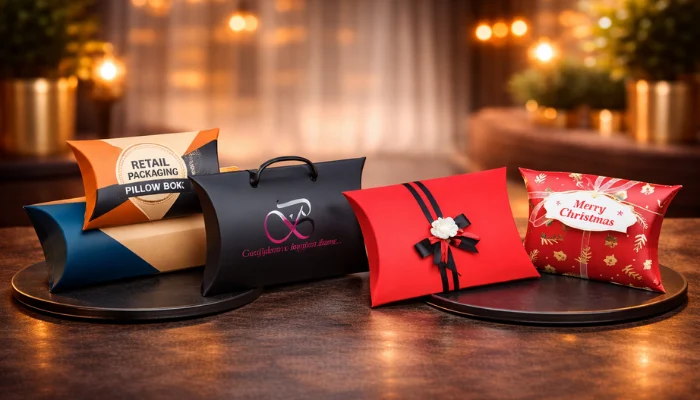
One of the biggest advantages of pillow box packaging is the wide range of custom printing and finishing options available. Here is a look at the most popular choices:
- CMYK Full-Color Printing — Ideal for vivid, detailed designs and brand artwork
- Pantone Color Matching — Ensures brand colors are printed with precision
- Gold or Silver Foil Stamping — Adds a premium, metallic shine to logos and text
- Embossing & Debossing — Creates a raised or recessed texture on the surface
- Spot UV Coating — Highlights specific design elements with a glossy, raised finish
- Matte or Gloss Lamination — Protects the surface and enhances the overall look
- Soft Touch Coating — Gives the box a velvety, tactile feel
Working with a professional packaging supplier allows you to combine these options to create a truly one-of-a-kind pillow box that reflects your brand identity.
Search Intent Table Pillow Box Packaging
Understanding what your audience is searching for helps you align your content strategy. The table below maps common search intents related to pillow box packaging.
| Search Intent | Keyword Example | What the User Wants |
| Informational | what is pillow box packaging | Learn about the box style & uses |
| Commercial | best pillow box packaging for gifts | Compare options before buying |
| Transactional | buy pillow boxes wholesale | Purchase in bulk right now |
| Navigational | custom pillow box packaging near me | Find a local supplier |
| How-To | how to make a pillow box | DIY instructions or templates |
By aligning your web pages, product listings, and blog content with the right search intent, you can drive more qualified traffic and increase conversions.
Industries That Use Pillow Box Packaging
Pillow box packaging is used across a surprisingly wide range of industries. Its versatility and visual appeal make it suitable for everything from food to fashion.
Jewelry & Accessories
The jewelry industry is one of the biggest users of pillow box packaging. The small, elegant shape is perfect for rings, earrings, bracelets, and necklaces. A well-designed pillow box elevates the perceived value of the jewelry inside.
Food & Confectionery
Chocolates, candies, cookies, and gourmet treats are frequently packed in pillow boxes. The window variant is especially popular in this industry, as it lets customers see the delicious product before buying.
Cosmetics & Beauty
Cosmetic brands use pillow box packaging for items such as lip balms, perfume samples, soap bars, and skincare products. The premium printing options make them look beautiful on retail shelves.
Wedding & Events
Pillow boxes are a staple at weddings, baby showers, and corporate events. They are used as favor boxes containing chocolates, candles, or small keepsakes. Luxury finishing options make them look elegant and special.
Apparel & Fashion
Fashion brands use large pillow boxes to package scarves, belts, ties, socks, and accessories. The distinctive shape makes the unboxing experience feel more premium compared to a standard flat box.
Subscription & E-Commerce
Subscription box companies use pillow boxes as inner packaging to present individual products within a larger shipment. They add a layer of surprise and delight that customers look forward to each month.
How to Choose the Right Pillow Box Packaging for Your Brand
Choosing the right pillow box packaging requires thinking about your product, your brand image, and your budget. Here are a few practical steps to guide your decision.
Step 1 — Determine Your Product Size: Measure the dimensions of your product carefully. Your pillow box should fit the product snugly without too much empty space, which can cause shifting during shipping.
Step 2 — Choose the Right Material: Consider the weight and fragility of your product. Lightweight items work well in standard cardstock boxes, while heavier products may need corrugated or thicker board.
Step 3 — Define Your Brand Aesthetic: Think about whether your brand is luxurious, rustic, playful, or minimal. Choose materials and finishes that reflect your brand values — kraft for natural brands, foil stamping for luxury brands.
Step 4 — Decide on Print and Finishing: Your design and finishing choices will define how your pillow box looks in the hands of a customer. Invest in quality printing if your packaging is a core part of your brand experience.
Step 5 — Order a Sample First: Before placing a large order, always request a physical sample from your supplier. This lets you verify size, print quality, material thickness, and assembly before committing to bulk.
Eco-Friendly Pillow Box Packaging
Sustainability is no longer optional for modern brands. Customers increasingly choose brands that demonstrate a commitment to reducing waste and environmental impact. Pillow box packaging is well-positioned to meet this demand. Kraft paper pillow boxes are fully biodegradable and compostable. Recycled cardstock options significantly reduce the environmental footprint of your packaging. Many suppliers now offer FSC-certified materials, ensuring responsibly sourced paper. Switching to eco-friendly pillow box packaging is a powerful way to align your brand with the values of today’s conscious consumer while maintaining a high standard of presentation.
(FAQs)
Q1: What products are best suited for pillow box packaging?
Pillow box packaging works best for small to medium-sized products such as jewelry, chocolates, cosmetics, candles, and gift items. Large versions are also available for apparel and accessories.
Q2: Can I get pillow boxes with custom printing and my logo?
Yes, most packaging suppliers offer fully custom pillow boxes with your brand logo, colors, and artwork. Options include CMYK printing, Pantone color matching, foil stamping, embossing, and various surface coatings.
Q3: Are pillow boxes easy to assemble?
Pillow boxes are designed for easy, tool-free assembly. The die-cut sheet folds into shape in seconds, and the curved ends tuck into each other to form a secure closure no glue or tape required in most cases.
Q4: What materials are pillow boxes made from?
The most common materials are cardstock, kraft paper, art paper, and corrugated board. Eco-friendly options using recycled or FSC-certified materials are also widely available from most suppliers.
Q5: What is the minimum order quantity (MOQ) for custom pillow boxes?
MOQ varies by supplier, but many packaging companies offer custom pillow boxes starting from 100 to 500 units. Some suppliers offer lower MOQs for digital printing, while offset printing typically requires higher quantities.
Q6: Are pillow boxes good for shipping?
Standard pillow boxes are designed for retail display and gifting rather than direct shipping. If you are shipping products, it is recommended to place the pillow box inside a standard mailer or shipper box for added protection.
Q7: Can pillow boxes be recycled?
Yes, most pillow boxes made from cardstock, kraft paper, or art paper are fully recyclable. Kraft and recycled-material versions are also compostable. Always check with your supplier about the specific materials used.