


If you’ve landed here, you’re probably looking for more than just a plain box to put cigarettes in. You want something that reflects a brand, tells a story, or makes the perfect personalized gift. A custom cigarette case does all of that and when done right, it becomes one of the most effective tools in your packaging or gifting arsenal. This guide covers everything you need to know: the different types of custom cigarette cases available, how to choose the right materials and finishes, what printing options exist, how to stay compliant with regulations, and how much you should realistically expect to spend. Whether you’re a brand manager sourcing packaging at scale or a first-time buyer looking for a personalized gift, you’ll find clear, actionable answers here.
What Is a Custom Cigarette Case?
A custom cigarette case is any cigarette container cardboard, metal, plastic, leather, or electronic that has been designed, printed, engraved, or finished to reflect specific branding, personalization, or aesthetic requirements. The word “custom” applies to a wide spectrum: from a small-run blank cigarette box printed with a startup brand’s logo, to a single engraved stainless steel case gifted at a wedding.
Custom cigarette cases broadly fall into two categories:
- Retail packaging cases — custom cardboard cigarette boxes, custom electronic cigarette boxes, and flip-top cases produced at volume for brand or product sale.
- Personal accessory cases — reusable metal, leather, or wooden cases customized for individual use or gifting.
Both serve distinct purposes, and the buying process for each is quite different. This guide covers both in depth.
See our guide: Custom Cigarette Boxes Wholesale in USA
Types of Custom Cigarette Cases
Understanding your options before you commit to a direction will save you time, money, and frustration. Here is a breakdown of the main product types.
Custom Cardboard Cigarette Boxes
Custom cardboard cigarette boxes are the most common form of cigarette packaging for retail tobacco brands. They are typically made from 300–350 GSM Solid Bleached Sulfate (SBS) board, die-cut and glued into a flip-top or slide-shell format.
Key features include:
- Full-color CMYK or Pantone printing on all surfaces
- Matte, gloss, soft-touch, or specialty lamination finishes
- Foil stamping, embossing, debossing, and spot UV options
- Compatible with regulatory health warning panel layouts
Custom cardboard cigarette boxes are ideal for independent tobacco brands, boutique blends, private-label products, and limited-edition launches. If you’re building a brand from scratch, this is almost certainly your starting point.
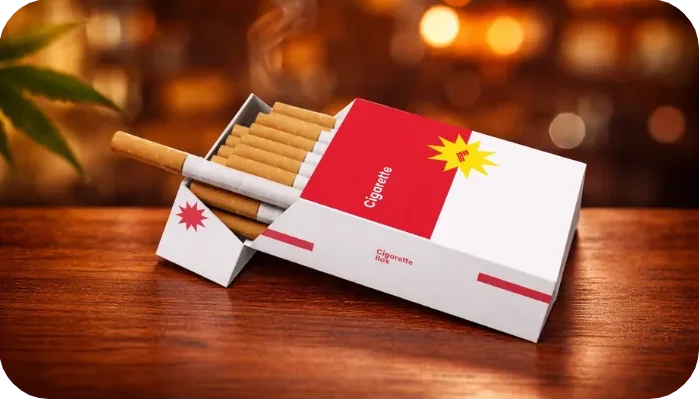
Empty Paper Flip Top Cigarette Boxes
Empty paper flip top cigarette boxes are a sub-category of cardboard packaging that deserve special mention. These are pre-formed, unfilled boxes often sold blank or with minimal branding used by:
- Small-batch tobacco producers who want to fill and seal packs manually
- Brands testing a new product or market before committing to a large print run
- Promotional campaigns where the box is used as a branded container for non-tobacco items (mints, matches, USB drives, etc.)
They follow the classic hinged-lid flip-top construction familiar from mainstream cigarette packs, but are available in fully customizable formats. Because they require no die-cutting tooling when ordered as standard sizes, they can be produced at lower MOQs and faster lead times than fully custom runs.
custom cigarette case
Blank Cigarette Boxes
Blank cigarette boxes are similar to empty flip top boxes but are specifically unprinted as a clean canvas for custom artwork application. They are popular with:
- Brands ordering test quantities before a full print run
- Event organizers or promoters who apply custom stickers, wraps, or labels in-house
- Artists and designers creating limited-edition collectible cigarette packaging
Blank cigarette boxes are the most flexible and lowest-cost entry point into custom cigarette case territory. The trade-off is that the branding impact is limited by whatever application method is used; post-production stickers and wraps rarely achieve the quality of direct printing.
Custom Electronic Cigarette Boxes
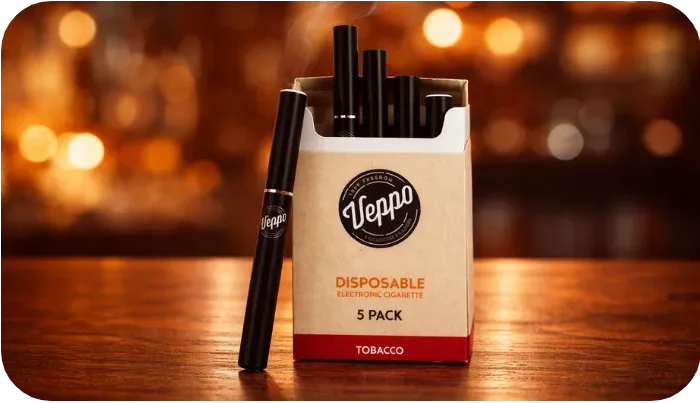
As the vaping and e-cigarette market has grown, so has demand for custom electronic cigarette boxes. These follow a different set of structural requirements from traditional cigarette packaging they need to accommodate devices, pods, chargers, and accessories, and are often closer to consumer electronics packaging in format. Custom electronic cigarette boxes are typically rigid setup boxes or folding cartons with internal trays, and they’re heavily influenced by the premium electronics unboxing aesthetic. Key considerations include:
- Magnetic closure lids for a premium opening experience
- Custom foam or card inserts to hold devices securely
- Full-bleed artwork, soft-touch lamination, and spot UV finishing
- Compliance with e-cigarette and vaping regulations in your target market (which differ significantly from traditional tobacco rules)
This is a fast-growing segment, and the bar for packaging quality is set by well-funded vaping brands that treat their boxes as a core brand asset. If you’re entering this space, investing in premium packaging from the outset is strongly recommended. For a broader view of packaging strategy across tobacco product categories, revisit our custom cigarette boxes pillar guide.
See our guide: Custom Vape Boxes: Branded Vape Packaging That Sells
Metal and Reusable Cigarette Cases
Reusable metal cigarette cases in stainless steel, aluminum, brass, or silver are the premium end of the personal accessories market. These can be customized through laser engraving, UV printing, or electroplating and are most commonly purchased as gifts or branded corporate merchandise. We cover personalized and engraved cigarette cases in full detail in our dedicated cluster page on personalized cigarette cases.
Design and Material Options for Custom Cigarette Cases
Once you’ve identified the type of case you need, the next step is choosing materials and design direction. These decisions affect cost, quality, brand positioning, and lead time.
Board and Paper Materials
For custom cardboard cigarette boxes and flip top cases, the most commonly used substrates are:
- SBS (Solid Bleached Sulfate) Board, 300–350 GSM: The industry benchmark for retail tobacco packaging. Brilliant white surface, superior printability, and excellent structural rigidity.
- Recycled Kraft Board: A natural brown-toned board popular with artisanal, organic, or sustainability-positioned brands. Gives a raw, honest aesthetic that resonates with certain consumer segments.
- Coated Duplex Board: A white-coated recycled board that offers a compromise between the premium feel of SBS and the eco credentials of kraft. Widely used for mid-tier custom cardboard cigarette boxes.
- Metallic and Pearlescent Board: Pre-metallized substrates that create a shimmering base for printed artwork. Particularly effective for luxury, holiday, and limited-edition packaging.
engraved cigarette case
See our guide: Custom Electronic Cigarette Boxes: Elevating Your Brand in a Dynamic Market
Structural Formats
The structural format of your custom cigarette case is as important as the visual design. Common formats include:
- Flip-Top (Hinged Lid): The global standard for cigarette retail packaging. Highly recognizable, consumer-friendly, and structurally proven.
- Slide and Shell (Push-Out): A two-piece construction where the inner tray slides out from an outer sleeve. Offers a distinctive opening experience and strong perceived-value cues.
- Round-Corner Box: A variant of the flip-top with softened corners, offering a slightly more premium and differentiated look on shelf.
- Rigid Setup Box: A chipboard-core box wrapped in specialty paper or fabric. The highest perceived-value format, used for premium collections, gift sets, and duty-free retail.
Printing and Finishing Options
How your custom cigarette case is printed and finished has a direct impact on how it looks, feels, and is perceived by the consumer. Here’s what’s available:
Printing Methods
Offset Lithography is the preferred method for high-volume custom cardboard cigarette boxes. It delivers consistent, precise color reproduction across large runs and supports Pantone spot color matching essential for brand consistency.
Digital Printing is ideal for smaller quantities typically under 2,000 units and for custom electronic cigarette boxes where run lengths may be shorter. No plate costs mean lower setup investment, though per-unit cost is higher than offset at volume.
Screen Printing is occasionally used for specialist effects on metal or rigid surfaces, but is less common for standard cardboard cigarette packaging.
See our guide: The Ultimate Guide to International Shipping USPS Rates for 2026
Finishing Techniques
The finish you apply on top of your printed artwork is often what separates a forgettable box from one that creates a genuine moment of delight. The most effective options are:
- Soft-Touch (Velvet) Lamination: Creates a silky, velvety surface texture that feels premium in the hand. One of the most popular choices for boutique and lifestyle brands.
- Gloss or Matte Lamination: Standard protective finishes that also affect the visual character of the pack. Matte gives a sophisticated, understated look; gloss makes colors more vivid.
- Hot Foil Stamping: Applies metallic or holographic foil under heat and pressure. Gold and silver foil on a dark background is a classic luxury packaging combination.
- Spot UV Coating: A glossy varnish applied to specific design elements (logos, text, patterns) over a matte background. The contrast creates a striking visual and tactile effect.
- Embossing and Debossing: Raises or presses design elements into the board surface to create a three-dimensional texture. Particularly effective for brand marks and monograms.
For custom electronic cigarette boxes, the unboxing experience is paramount investing in soft-touch lamination combined with spot UV or foil stamping is strongly recommended.
Compliance and Labeling Tips
Tobacco packaging including custom cigarette cases used for retail is subject to strict legal requirements in most markets. Ignoring compliance is not an option: it can result in product seizure, significant fines, and reputational damage.
Key Compliance Considerations
- Health Warnings: Most jurisdictions require health warnings on both the front and back of the pack. Coverage requirements range from 30% (some Asian markets) to 85% (Australia). Warnings may be text-only or include graphic pictorial elements.
- Plain Packaging Laws: Australia, the UK, France, Ireland, and a growing number of countries require standardized packaging that severely restricts branding elements. If you’re selling into these markets, your custom cigarette case design must comply with plain packaging regulations.
- Track-and-Trace Codes: The EU’s Tobacco Products Directive (TPD2) requires serialized track-and-trace codes on all tobacco packaging. Similar requirements are emerging in other markets.
- Age Restriction Notices: Many markets require explicit age restriction statements on pack.
- E-Cigarette Regulations: Custom electronic cigarette boxes are subject to a separate and often more rapidly evolving regulatory framework. Nicotine content warnings, device specifications, and market authorization requirements vary significantly by country.
See our guide: The Ultimate Guide to Cigarette Box Dimensions for Businesses
Practical Compliance Tips
- Always confirm the regulatory requirements for every market you plan to sell in before finalizing your artwork.
- Design your health warning panels as modular elements so they can be updated independently without a full redesign.
- Work with a packaging supplier who has experience in tobacco compliance they’ll catch issues before they reach print.
- Keep a compliance documentation file for every market: rules change, and having a record of your design rationale is valuable.
Cost Factors: What Should You Budget?
Pricing for custom cigarette cases varies significantly depending on the product type, quantity, material, and finish. Here is a realistic framework:
Custom Cardboard Cigarette Boxes and Flip Top Cases
| Quantity | Print Method | Estimated Cost Per Unit |
| 100–500 units | Digital print, basic finish | $0.40 – $0.70 |
| 500–2,000 units | Digital or short-run offset | $0.20 – $0.40 |
| 5,000–10,000 units | Offset, matte lamination | $0.10 – $0.20 |
| 50,000+ units | Offset, premium finish | $0.04 – $0.10 |
Blank Cigarette Boxes and Empty Flip Top Boxes
Blank and unprinted boxes are significantly cheaper, typically $0.05–$0.20 per unit depending on quantity and board grade because they carry no print setup or finishing costs.
Custom Electronic Cigarette Boxes
Due to their more complex structure (rigid format, internal inserts, premium finishes), custom electronic cigarette boxes typically cost more: expect $0.80–$3.00 per unit at 1,000–5,000 units, depending on complexity.
Additional Cost Factors to Watch
- Die-cutting tooling: $200–$800 one-time cost for custom structural die (waived for standard formats).
- Physical proofs: $50–$200, but essential before any significant run.
- Compliance artwork updates: Budget for periodic artwork revisions as regulations evolve.
- Freight: Especially relevant for overseas manufacturing factor in shipping, duties, and customs clearance.
See our guide: Cigarette Boxes Packaging Trends Every Tobacco Brand Should Know
Actionable Tips for Buying Custom Cigarette Cases
Start with a structural dieline. Before spending a dollar on artwork, get a flat dieline template from your supplier. Design your artwork on this template to avoid costly layout errors.
Order samples of blank cigarette boxes before committing to printed runs. The sample will confirm dimensions, board quality, and construction all before you’ve invested in print.
Use spot UV on your logo. Even on a modest budget, adding spot UV to just your brand mark creates a premium tactile moment that elevates the whole pack.
For custom electronic cigarette boxes, invest in the unboxing experience. The first physical interaction a customer has with your product shapes their entire perception of quality. Don’t economize here.
Keep your artwork layered and editable. Regulations change. If your health warning panels are flattened into your design, every update requires a full redesign. Keep them as separate, editable layers.
Ask for a press-passing opportunity for color-critical work. Being present (physically or via video call) when your job goes on press lets you make real-time adjustments before the full run is committed.
FAQs
Q: What is the difference between a blank cigarette box and an empty flip top cigarette box?
A: The terms are closely related but have a subtle distinction in practice.
Q: Can I order custom cardboard cigarette boxes in small quantities?
A: Yes. Digital printing has made small-run custom cardboard cigarette boxes economically viable at quantities as low as 50–100 units.
Q: Are custom electronic cigarette boxes subject to the same rules as traditional cigarette packaging?
A: Not exactly. While both categories are regulated, the specific rules differ and e-cigarette regulations are evolving faster in many markets
Q: What’s the fastest turnaround I can get on a custom cigarette case order?
A: For digital-printed custom cardboard cigarette boxes with standard finishes, rush turnaround of 5–7 business days is possible with some suppliers.
Q: Do blank cigarette boxes come in standard sizes?
A: Yes. Blank cigarette boxes are most commonly available in King-Size (84mm), 100s, and Slim configurations which match the standard industry dimensions.
Conclusion
A well-designed custom cigarette case whether it’s a run of custom cardboard cigarette boxes for a new tobacco brand, a fleet of custom electronic cigarette boxes for a vaping product launch, or a batch of personalized empty flip top cases for a promotional campaign is one of the most cost-effective branding investments you can make. The key is knowing what you need before you start: understand your product format, your target market’s regulatory environment, your volume requirements, and the brand story you’re trying to tell through the pack. Then work with a supplier who has the experience and capability to deliver on all of those dimensions.